How to Keep Pets Safe in Hot Weather
A simple guide to protecting cats and dogs from heatstroke, dehydration, hot pavements, parked cars, and summer safety risks.
Cool pets are safer pets.
Important
Heatstroke can become an emergency quickly. If your pet is breathing heavily, drooling a lot, weak, confused, vomiting, collapsing, or seems unable to cool down, contact a veterinarian or emergency clinic immediately.
Quick answer
- Give fresh, clean water.
- Keep pets in shade or a cool indoor area.
- Walk dogs early morning or late evening.
- Never leave pets in parked cars.
- Avoid hot pavements.
- Watch for heatstroke signs.
Hot weather can be dangerous for pets, even when the day does not feel unbearable to us. Dogs and cats can overheat, become dehydrated, burn their paw pads on hot surfaces, or develop heatstroke.
Pets cannot always tell us when they are too hot. Some will keep playing, walking, or following their owner even when their body is struggling. That is why pet owners need to plan ahead before the hottest part of the day.
This guide explains how to keep pets safe in hot weather, which pets need extra care, what warning signs to watch for, and what to do if your pet may be overheating.
Why hot weather can be dangerous for pets
Pets can get hot quickly because they do not cool down exactly the way humans do. Dogs mainly cool themselves by panting. Cats may also pant when they are very hot or stressed, but panting in cats can be a serious warning sign.
Hot weather can cause:
- dehydration
- heat stress
- burned paw pads
- exhaustion
- breathing difficulty
- heatstroke
- collapse or organ damage in severe cases
Heat risk is higher when the weather is hot and humid, when pets exercise during the hottest hours, when they do not have shade or water, or when they are left in poorly ventilated spaces.
Pets who need extra care in hot weather
Any pet can overheat, but some pets need extra protection. These animals may struggle to cool down faster than others.
Simple rule
If your pet is in one of these higher-risk groups, treat hot weather more carefully. Shorter walks, more rest, more water, and cooler indoor time can make a big difference.
Give water, shade, and cool rest
Fresh water and shade are the basics of hot weather pet care. Pets can become dehydrated quickly, especially if they are outside, active, stressed, or already unwell.
Water tips
- Keep fresh, clean water available all day.
- Use more than one water bowl if you have multiple pets.
- Place bowls in shaded areas.
- Take water with you on walks.
- Refresh outdoor water often.
- Use shallow bowls for kittens, puppies, senior pets, or weak animals.
Shade and cooling tips
- Keep pets indoors during the hottest part of the day.
- Use fans or air conditioning if available.
- Let pets rest on cool floors.
- Provide shaded outdoor spots if your pet must be outside.
- Never tie a pet in direct sun.
- Do not force exercise in hot weather.
Walk dogs at safer times
Dogs still need movement, toilet breaks, and enrichment, but hot weather changes the schedule. The safest walking times are usually early morning or late evening, when the sun is weaker and the ground is cooler.
| Time | Risk level | Better choice |
|---|---|---|
| Early morning | Usually safer | Good time for a walk, but still check heat and pavement. |
| Midday | High risk | Avoid long walks, running, or rough play. |
| Afternoon | Often high risk | Keep walks short and shaded if needed. |
| Evening | Usually safer | Check pavement because it may stay hot after sunset. |
Hot weather walk tips
- Keep walks short.
- Walk in shade where possible.
- Take water with you.
- Stop if your dog slows down, pants heavily, or wants to lie down.
- Avoid running, fetch, or intense play during heat.
- Let your dog rest after coming home.
Protect paws from hot pavement
Pavement, concrete, and sand can become much hotter than the air. Pets can burn their paw pads by walking on hot ground.
Simple pavement check
Place the back of your hand on the pavement for a few seconds. If it feels too hot for your hand, it is too hot for your pet’s paws.
Never leave pets in parked cars
A parked car can become dangerously hot very quickly, even with the windows partly open. Pets should not be left alone in a car during warm weather.
Safer rule
If your pet cannot come inside with you safely, leave them at home in a cool place. A quick errand can become dangerous faster than expected.
Travel with pets only when you can keep them cool, shaded, hydrated, and supervised. Bring water, avoid long stops, and never rely on a parked car as a safe waiting place.
How to keep cats safe in hot weather
Cats may hide when they are uncomfortable, so it is easy to miss early signs of heat stress. Indoor cats also need cooling support when the house is hot.
Cat cooling tips
- Keep water bowls in more than one place.
- Let cats rest in cool rooms.
- Keep curtains closed during the hottest hours.
- Use fans safely, but do not force the cat to sit near one.
- Brush long-haired cats to remove loose fur.
- Watch for panting, weakness, drooling, or unusual hiding.
Important cat warning
A panting cat can be in serious distress. If your cat is panting, weak, collapsed, or breathing strangely, contact a veterinarian urgently.
How to help stray or outdoor pets in hot weather
Stray cats and dogs may not have reliable access to shade, water, or cool resting places. Small kindnesses can help them survive hot days more safely.
Ways to help
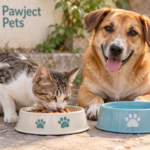
- Put clean water in a shaded, safe place.
- Use shallow bowls that are easy to drink from.
- Refresh water often.
- Place food in shade and remove leftovers.
- Do not place bowls near roads.
- Create a simple shaded resting spot if safe and allowed.
- Contact a rescue group if an animal looks sick, injured, or weak.
Wet food can spoil quickly in heat, so do not leave it outside for long periods. Dry food may be easier for outdoor feeding, but clean water is still the most important thing.
Signs of heatstroke in pets
Heatstroke is serious and needs quick action. Do not wait to see if severe signs disappear on their own.
| Possible sign | What it may look like | What to do |
|---|---|---|
| Heavy panting | Breathing fast, unable to settle, mouth open. | Move to a cooler place and call your vet if it continues or worsens. |
| Drooling | Thick saliva, excessive drool, messy mouth. | Start cooling and contact a vet. |
| Weakness | Stumbling, lying down, refusing to move. | Treat as urgent. |
| Vomiting or diarrhea | Especially with weakness, heat, or collapse. | Contact a vet or emergency clinic. |
| Confusion | Disoriented, strange behaviour, not responding normally. | Emergency help is needed. |
| Collapse or seizures | Unable to stand, shaking, unconsciousness. | Go to an emergency vet immediately. |
Trust your instinct
If your pet looks seriously unwell in hot weather, call a veterinarian or emergency clinic. Heatstroke can worsen quickly.
What to do if your pet may be overheating
If you think your pet is overheating, act quickly and calmly.
Emergency steps
- Move your pet to a cooler place immediately.
- Offer small amounts of cool water if your pet is awake and able to drink.
- Use cool water on the body, especially the paws, belly, and groin area.
- Do not use ice-cold water or ice baths.
- Use a fan or air movement if available.
- Call your veterinarian or an emergency clinic for instructions.
- Go for urgent veterinary care if your pet is weak, confused, collapsing, vomiting, or not improving quickly.
Cooling at home is first aid, not a replacement for veterinary care. A pet may still need treatment for dehydration, shock, organ stress, or other heat-related damage.
Grooming and coats in hot weather
Brushing your pet can help remove loose fur and improve comfort. However, shaving a pet is not always the safest solution because a coat can also help protect the skin from sunburn.
Better grooming choices
- Brush regularly to remove loose fur.
- Ask a groomer or vet before shaving your pet.
- Trim long hair carefully if needed.
- Do not shave double-coated dogs without professional advice.
- Protect pale skin, thin fur, and sensitive areas from sun exposure.
Hot weather mistakes to avoid
Quick hot weather pet safety checklist
Final thoughts
Hot weather pet safety is mostly about prevention. Fresh water, shade, cooler walking times, safe indoor rest, and avoiding parked cars can protect pets from serious heat-related problems.
Watch your pet closely on hot days. If they seem too hot, weak, confused, or unable to cool down, do not wait. Move them to a cooler place, begin gentle cooling, and contact a veterinarian.
A little planning can help your pet stay safe, comfortable, and happy through the hottest days of the year.
Sources
- ASPCA — Hot Weather Safety Tips
- ASPCA — The Dangers of Leaving an Animal in a Hot Car and Other Heat-Related Hazards
- AVMA — Warm Weather Pet Safety
- AAHA — Heatstroke in Pets: Signs, Risks, and What to Do
- AAHA — How Can I Prevent Heatstroke in My Pet?
- AAHA — Heat Safety Tips for Pets: Beyond the Basics
- AAHA — Heat Safety Warnings for Veterinary Teams and Pet Owners

Leave a Reply